Beyond the Ashtray: How Heat-Not-Burn Technology Is Quietly Reclaiming Your Home, Car, and Wardrobe
Photo: Shixart1985, CC BY 2.0, via Wikimedia Commons
There is a particular kind of self-awareness that long-term smokers develop over time. It is not pride, exactly—it is more of a quiet resignation. You learn to leave your jacket by the door. You keep a travel-size fabric spray in the glove compartment. You stop inviting certain people over because you already know what they will say the moment they walk through your front door. The smell of cigarette smoke is not just a sensory experience; for millions of American adults, it has become a social and logistical burden that follows them everywhere.
What many adult switchers to IQOS heated tobacco devices report—sometimes with genuine surprise—is that this burden does not simply diminish. In many cases, it disappears almost entirely.
Why Cigarette Smoke Clings the Way It Does
To understand why heat-not-burn technology produces such a different olfactory outcome, it helps to understand what makes traditional cigarette smoke so adhesive in the first place.
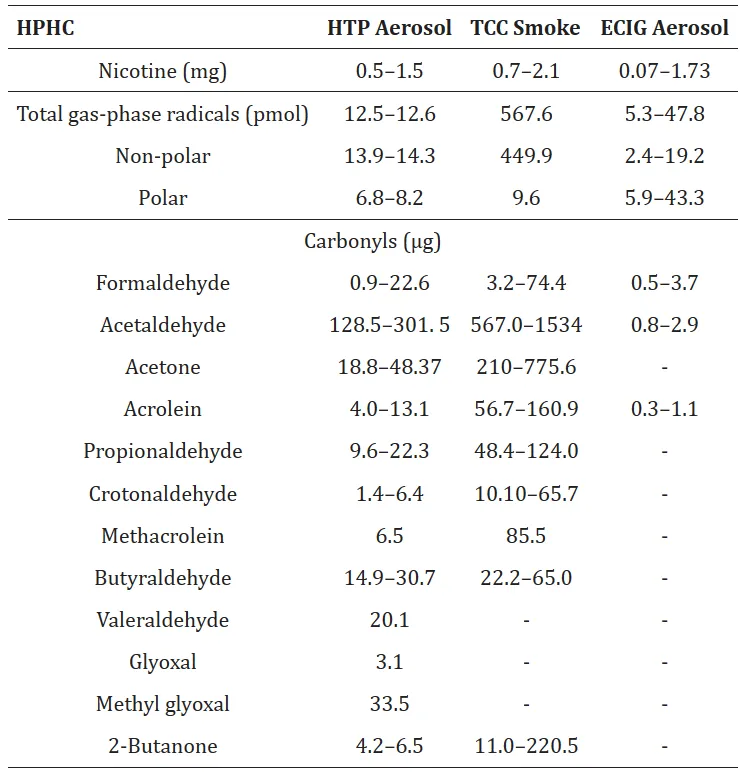
When tobacco is combusted at temperatures that can exceed 1,800 degrees Fahrenheit, it generates a complex aerosol containing thousands of chemical compounds. Many of these compounds—including tar particulates, volatile organic compounds, and various aldehydes—are highly adhesive. They do not simply float through the air and disappear. They bond to fabric fibers, seep into porous surfaces like drywall and upholstery foam, and settle into the microscopic texture of leather, wood, and carpet.
This phenomenon, sometimes referred to as thirdhand smoke residue, is what makes cigarette odor so stubbornly persistent. It is why a car purchased from a smoker can still smell like cigarettes years later, even after professional detailing. It is why a smoker's living room can retain its signature scent long after the household has moved out.
IQOS operates on an entirely different thermal principle. Rather than burning tobacco, the device heats specially designed tobacco sticks—called HEETS—to a controlled temperature of around 660 degrees Fahrenheit. At this level, the tobacco generates a vapor rather than smoke. There is no combustion, no open flame, and critically, no tar production. The aerosol that results is chemically distinct from cigarette smoke, and its interaction with surrounding surfaces reflects that difference.
What Switchers Are Actually Experiencing
Across online forums, social media communities, and anecdotal reports gathered from adult switchers in cities like Chicago, Atlanta, and Seattle, a consistent pattern emerges: the odor-related changes are noticeable almost immediately, and their impact reaches further than most people anticipate.
David, a 44-year-old project manager from suburban Denver who switched to IQOS approximately eight months ago, described the experience in straightforward terms. "The first thing I noticed was my truck," he said. "I had been smoking in that vehicle for six years. I detailed it twice a year and it still had that smell. Within about three weeks of switching, I could tell the difference. My wife noticed before I did."
For many switchers, the social dimension of this change carries unexpected emotional weight. The stigma attached to the smell of cigarette smoke in the United States has intensified considerably over the past decade. Workplaces, rideshare vehicles, and even casual social gatherings have become increasingly unforgiving environments for anyone carrying the scent of combustion on their clothing.
Marcia, a 38-year-old nurse from Houston, described the professional relief she felt after switching. "In healthcare, you are already hyperconscious of how you present yourself," she explained. "I was constantly worried about patients or colleagues smelling it on me, even when I had been careful. That anxiety is just gone now. I cannot overstate how much mental energy that was taking up."
The Financial Calculus of Odor Damage
Beyond the social and emotional dimensions, there is a surprisingly concrete financial argument embedded in the odor conversation.
Furniture replacement is one of the most underappreciated costs associated with long-term smoking. Upholstered sofas, mattresses, and curtains that have absorbed years of smoke residue are notoriously difficult to restore. Many households cycle through furniture more frequently than they might otherwise, not because of wear, but because the smell becomes untenable. A quality sectional sofa in the United States currently averages between $1,200 and $3,500. A set of curtains for a living room can run $300 to $600. These are not trivial figures.
Automobile resale value is another area where the financial impact of smoke odor is well-documented. Dealers and private buyers alike consistently discount vehicles with smoke damage, and the devaluation can range from several hundred to several thousand dollars depending on the severity and the vehicle's age. For adult switchers who use IQOS, the absence of combustion-generated particulates means that this particular form of asset depreciation is largely avoided.
Dry cleaning costs, air freshener subscriptions, and the ongoing purchase of odor-eliminating sprays and candles represent smaller but cumulative expenditures that switchers frequently report reducing or eliminating after making the change.
The Science of Minimal Residue
Researchers studying heated tobacco products have noted that the aerosol produced by devices like IQOS contains significantly lower levels of the specific compounds responsible for smoke odor persistence. Because there is no combustion, tar particulates—the primary culprit in surface adhesion—are not generated. The resulting vapor is lighter, less chemically complex in terms of adhesive compounds, and dissipates more rapidly in open air.
This does not mean IQOS produces no scent whatsoever. The tobacco vapor does carry a mild, warm aroma that some describe as faintly toasty or herbal. However, this scent behaves fundamentally differently from cigarette smoke. It does not penetrate fabric in the same manner, does not linger on surfaces for extended periods, and does not accumulate in enclosed spaces the way combustion-generated smoke does.
For adult users who are conscious of their environment—whether that environment is a shared apartment, a leased vehicle, or a professional workspace—this distinction is practically significant.
Reclaiming Space, One Room at a Time
Perhaps the most telling indicator of how deeply this change resonates with switchers is the language they use when describing it. Words like "reclaiming" and "getting back" appear frequently. There is a sense that switching to IQOS has restored access to spaces and relationships that had quietly been ceded to the logistics of combustion-based smoking.
For adult smokers in the United States who are evaluating alternatives, the odor question is rarely the first thing that comes to mind. Taste, ritual, nicotine delivery, and cost tend to dominate the initial conversation. But among those who have already made the switch, the transformation of their personal environment consistently ranks among the most meaningful and lasting benefits—one that touches daily life in ways that are simultaneously practical, financial, and deeply personal.