Steady State: How Heat-Not-Burn Technology Delivers Nicotine Without the Spike-and-Crash Cycle

There is a specific kind of restlessness that longtime cigarette smokers know intimately — the racing heartbeat after the first morning cigarette, the mid-afternoon fog that descends between smoke breaks, the low-grade tension that seems inseparable from the habit itself. Many adult smokers have quietly assumed this is simply what nicotine does to the human body. The growing body of experience reported by adult IQOS switchers, however, suggests the reality is considerably more nuanced.
The difference, it turns out, may have less to do with nicotine and far more to do with how quickly it enters the bloodstream — and what that velocity does to the body's regulatory systems.
The Combustion Spike: A Brief Biochemistry Lesson
When a conventional cigarette is lit, combustion occurs at temperatures that can exceed 1,800°F at the tip. This extreme heat releases nicotine in a form that reaches the lungs almost instantaneously and crosses into the bloodstream within seconds. The result is a sharp, rapid elevation in blood nicotine concentration — what researchers sometimes describe as a bolus delivery pattern.
This kind of abrupt biochemical event triggers a cascade of physiological responses. Adrenaline is released. Heart rate climbs. Blood pressure rises. The body, interpreting this sudden chemical surge as something requiring a stress response, mobilizes accordingly. For many adult smokers, this is the sensation they associate with "satisfaction" — but it is, physiologically speaking, closer to a mild stress activation than a state of calm.
The problem compounds over time. As nicotine levels drop sharply between cigarettes, the body registers withdrawal, which generates anxiety, irritability, and difficulty concentrating. The smoker lights another cigarette, the spike occurs again, and the cycle repeats. By mid-afternoon, the nervous system has been through multiple rounds of activation and withdrawal, which may explain the cognitive fatigue and mood instability many cigarette smokers experience as the day progresses.
Heat-Not-Burn: A Different Delivery Architecture
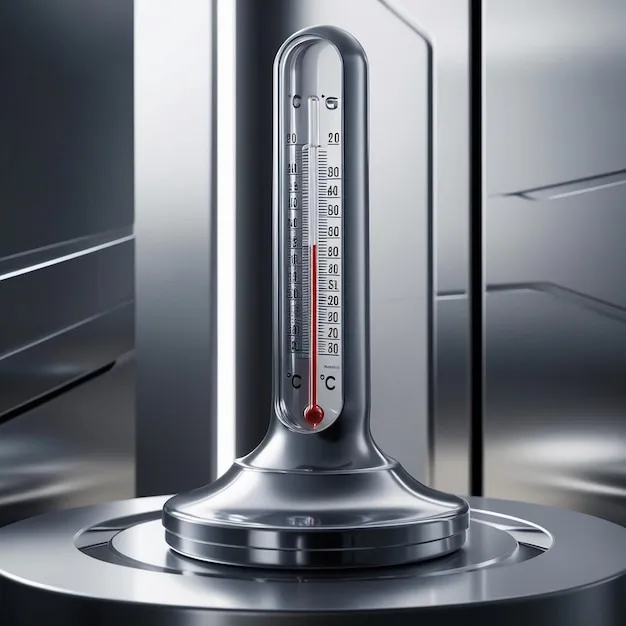
IQOS operates at a fundamentally different thermal range — approximately 350°C (around 662°F) — which is sufficient to release nicotine and flavor compounds from the tobacco but does not trigger combustion. This distinction is not merely technical; it has meaningful physiological implications.
Because the tobacco is heated rather than burned, nicotine is released in a more measured, gradual fashion. The concentration curve in the bloodstream rises more gently, peaks at a lower level, and descends more gradually than what combustion produces. For the body's regulatory systems, this represents a considerably less disruptive signal.
Adult IQOS users frequently describe this difference in behavioral terms: they feel satisfied without feeling wired. The edge of urgency that accompanies cigarette smoking — that specific combination of stimulation and anxiety — is often reported as noticeably absent. This is not a placebo effect. It is a predictable consequence of a smoother delivery profile interacting with a nervous system that no longer has to absorb and recover from repeated biochemical spikes.
What This Means for Anxiety and Concentration
Anxiety and nicotine have a complicated relationship. Nicotine is widely understood to have both stimulant and, at lower doses, anxiolytic properties. However, the manner of delivery significantly influences which of these effects predominates.
The rapid spike from combustion tends to activate the body's sympathetic nervous system — the "fight or flight" branch — which is associated with heightened alertness but also with anxiety, muscle tension, and difficulty sustaining focused attention over extended periods. This is why many cigarette smokers report feeling paradoxically more anxious as their daily cigarette count increases.
A more gradual nicotine delivery, by contrast, is less likely to trigger this acute sympathetic response at the same intensity. Adult switchers to IQOS frequently describe an improvement in their ability to concentrate through the morning and into the afternoon without the cycle of distraction and craving that punctuated their cigarette-smoking days. The sensation is often characterized not as a dramatic change but as a subtle stabilization — a reduction in background noise, so to speak.
The Afternoon Crash: Why It Happens and Why It Shifts
The afternoon energy collapse that many cigarette smokers experience is, in large part, a cumulative withdrawal phenomenon. After a full morning of repeated nicotine spikes and drops, the nervous system has spent considerable resources adapting to these fluctuations. By early afternoon, the metabolic cost of this regulation begins to manifest as fatigue, difficulty focusing, and a craving intensity that feels qualitatively different from the morning.
Because IQOS delivers nicotine in a pattern that produces less dramatic peaks and troughs, the cumulative regulatory burden on the nervous system across a full day is reduced. Adult switchers commonly note that the sharp afternoon slump they associated with cigarette smoking either diminishes significantly or disappears within the first few weeks of switching. This is not a minor quality-of-life detail — for working professionals, parents managing busy households, or anyone whose afternoon productivity matters, it represents a meaningful functional improvement.
Consistency as a Feature, Not an Accident
One of the underappreciated aspects of IQOS technology is the consistency of the experience it delivers. Each HEETS tobacco stick is engineered to perform within a precise thermal range, which means the nicotine delivery profile is reproducible from one use to the next. Cigarettes, by contrast, vary in burn rate depending on how hard a smoker draws, environmental conditions, and even the specific cigarette's position in the pack.
This consistency matters physiologically. When the nervous system receives predictable, measured inputs, it is better equipped to regulate around them. The unpredictability of combustion-based nicotine delivery — sometimes a stronger hit, sometimes weaker — keeps the body in a state of ongoing adjustment that contributes to the jitteriness and inconsistency of mood that many smokers live with daily.
A Practical Consideration for Adult Switchers
It is worth noting that IQOS heated tobacco products are not risk-free and are not designed as cessation tools. They contain nicotine, which is addictive, and are intended for adult smokers who would otherwise continue smoking. The physiological differences described here are not a health claim but a reflection of the mechanical and biochemical distinctions between combustion and heat-not-burn technology.
For adult smokers who have found cigarettes increasingly difficult to reconcile with the demands of a modern, performance-oriented lifestyle — one that requires sustained focus, emotional steadiness, and consistent energy across a full workday — the thermal architecture of IQOS represents a genuinely different proposition.
The jitteriness was never an inevitable feature of nicotine. It was, in large part, a feature of the fire.
IQOSS Store offers a curated selection of IQOS devices and HEETS tobacco sticks for adult smokers in the United States. All products are intended for adults who currently smoke or use tobacco products and are not intended for non-smokers, minors, or those who are pregnant.